Thinking about freshening up your kitchen before listing in San Carlos? You are not alone. Sellers here want the right upgrades that help a home sell faster and for more, without overextending the budget or timeline. In this guide, you will learn which kitchen updates local buyers value most, how to scope costs and time, what to know about permits, and how to present your kitchen so it shines on day one. Let’s dive in.
What buyers expect in San Carlos
Peninsula buyers look for move-in-ready homes with modern, practical kitchens. Open layouts that connect to living and dining areas, good natural light, and an island for casual gathering all score well. Durable, low-maintenance finishes and energy-efficient appliances are a plus for busy families and professionals.
Buyers also value indoor-to-outdoor flow for backyard entertaining. School access, walkability, and commute options are part of the bigger decision, so a kitchen that supports daily routines and hosting can make your home stand out.
High-ROI kitchen updates to prioritize
1) Improve layout and flow
If your kitchen feels closed off, consider opening a non-structural wall, widening a pass-through, or adding an island. Layout is the biggest driver of perceived value because it changes how the space lives day to day. Structural changes often require permits and a structural engineer, so confirm scope early to avoid delays.
2) Refresh cabinets
Painting cabinets, refacing doors and drawers, and adding new hardware can transform the space at a fraction of full-replacement cost. Pair a cabinet refresh with updated counters and lighting for maximum impact. Keep colors neutral and timeless for broad appeal.
3) Upgrade countertops
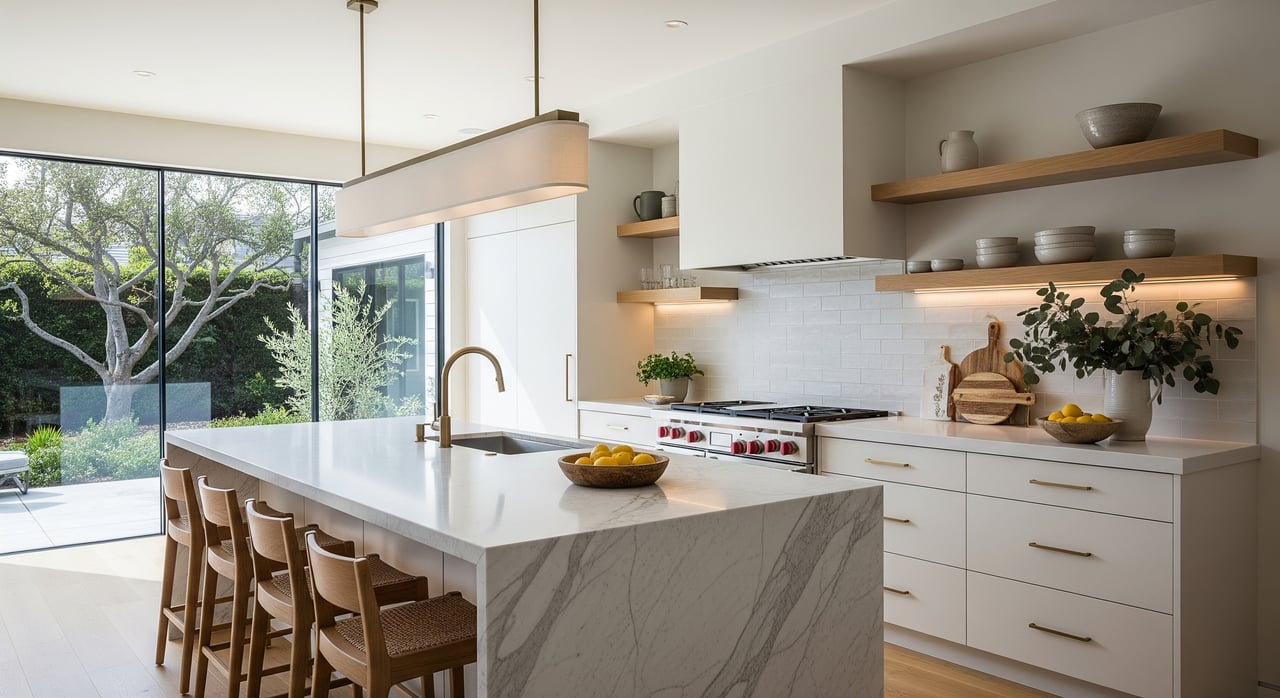
Quartz is a local favorite for durability and low maintenance. It offers a clean, consistent look that fits Peninsula taste. Natural stone may appeal to some buyers, but it can cost more and needs more care.
4) Update appliances
Replace visibly dated or failing appliances with energy-efficient models. Induction ranges, quiet dishwashers, and efficient refrigerators are increasingly popular. New appliances are a tangible move-in advantage and can be marketed clearly in listing materials.
5) Improve lighting and electrical
Layered lighting helps your kitchen feel bigger and more functional. Use a mix of recessed lighting, pendants over the island, and under-cabinet LEDs for task lighting. Updated fixtures in a cohesive finish pull the space together.
6) Upgrade flooring
Choose durable, cohesive flooring that ties into nearby living areas. Engineered hardwood or quality tile reads well and fits local expectations. Avoid low-grade vinyl that can feel out of place in this market.
7) Refresh the backsplash
A new backsplash provides a cost-effective visual lift. Classic subway tile or simple geometric patterns in neutral tones work well for resale. Keep grout lines and color simple to minimize maintenance concerns for buyers.
8) Replace plumbing fixtures and sink
A deep single-bowl sink with a stylish, functional faucet is a small change with high visibility. These upgrades signal care and quality without breaking the budget. They also improve daily usability for the next owner.
9) Add storage and organization
Pull-out shelves, drawer organizers, and a well-planned pantry increase perceived space and function. Buyers appreciate organized storage as much as new finishes. In larger homes, a butler’s pantry can be a strong selling point.
10) Finish with paint and staging
Fresh, neutral paint and thoughtful staging complete the picture. Keep counters clear with a few well-chosen items for photography and showings. Lighting temperature should feel warm and natural so the kitchen photographs beautifully.
Cost and timeline: plan your scope
A minor refresh like paint, hardware, backsplash, and fixtures typically takes 1 to 4 weeks. A midrange remodel with cabinet refacing or partial replacement, new counters, appliances, lighting, and flooring often runs 4 to 8 weeks. Major remodels that change layout, move utilities, or add structural work can take 8 to 16-plus weeks, not including permit lead time.
Build in time for ordering materials and contractor availability. If you want to hit a specific listing date, align your project schedule with your agent so you do not rush the finish work or photos.
Permits in San Carlos: what to know
Any project that involves structural changes, moving plumbing or gas lines, changing electrical wiring, ventilation or mechanical work, or altering the building footprint typically requires permits. The City of San Carlos Building Division handles permits inside city limits. Homes in unincorporated areas work through San Mateo County building services.
Like-for-like replacements such as swapping an appliance or repainting usually do not require a permit when locations and connections remain the same. Changing ventilation, relocating plumbing, or running new wiring generally will. Always confirm with the local building division before you start. Using licensed contractors who pull the permits helps you avoid issues at resale.
Choosing contractors wisely
Hire licensed, bonded, and insured California contractors with the right classification. Ask for multiple bids and recent local references, and make sure you know who will manage permits and inspections. For larger projects, a design-build firm can streamline design choices and permit coordination.
Clarify scope, finishes, and timelines in writing. Agree on milestones, payment schedules, and how change orders are handled so you stay on budget and on time.
Energy-efficient choices and incentives
Energy efficiency and electrification are growing priorities for local buyers. Induction ranges, efficient dishwashers and refrigerators, and strong exterior-vented hoods are attractive features. State and regional programs can offer rebates or incentives for energy upgrades, and some require pre-approval or specific installation steps.
Check available programs before you purchase major appliances. Document new energy-efficient features so your listing can highlight them clearly.
Design choices that appeal locally
- Countertops: Quartz or other engineered stone for durability and an easy-care look.
- Cabinets: Shaker or flat-panel styles in neutral tones like white, warm gray, or navy. Two-tone designs work well if used sparingly, such as a contrasting island.
- Flooring: Engineered hardwood or quality tile that connects visually to adjacent rooms.
- Backsplash: Classic, simple patterns in a neutral palette to suit a wide range of tastes.
- Storage and accessibility: Pull-outs, lever handles, task lighting, and non-slip flooring broaden appeal for a range of buyers.
Keep the design cohesive and scaled to your home and neighborhood. Avoid over-customizing with highly unique materials that may not resonate broadly.
Staging and listing presentation
Clear, neutral countertops and a few simple accents make your kitchen feel spacious. Use warm, natural lighting that photographs well. Consider highlighting organized storage in a couple of listing photos to show practicality.
In your listing description, call out meaningful upgrades like a recent induction range or new quartz counters. Be ready to provide permit documentation for structural, electrical, plumbing, or ventilation work. That transparency builds buyer confidence and keeps escrow smooth.
Pricing and comps: avoid over-improving
In San Mateo County’s high-cost market, buyers expect quality but also measure value against neighborhood comps. Align your upgrade level with what similar nearby homes have achieved. Overbuilding beyond the neighborhood standard can reduce your cost recovery.
Work with a local agent to compare recent sales and set a strategy that fits your target buyers and timing. The right mix of layout, finishes, and presentation can support achieving or exceeding your list price when aligned with local norms.
Make a plan that pays off
A smart pre-list kitchen plan focuses on layout, a clean cabinet and counter refresh, efficient appliances, strong lighting, and organized storage. Keep your scope aligned with neighborhood expectations, confirm permits early, and present the space with confident staging and photography. That is how you maximize market impact without overspending.
If you would like a local, financial-first plan for your home, connect with Daniel Fridman to map upgrades to likely resale, timing, and your listing strategy. Start with a free home valuation and a clear, step-by-step path to market.
FAQs
Which kitchen update boosts resale the most in San Carlos?
- Improving layout and flow, paired with a cabinet and countertop refresh, usually delivers the biggest perceived value for the cost in this market.
Should I replace appliances before listing my San Carlos home?
- Replace appliances that are outdated or failing; if current units are in good condition and budget is tight, focus on cosmetic updates, deep cleaning, and consistency in finish.
Do I need permits for a kitchen refresh in San Carlos?
- Cosmetic work like paint and hardware typically does not require permits; structural, electrical, plumbing, gas, mechanical, or ventilation changes usually do, so confirm with the City of San Carlos Building Division.
How long do kitchen updates take before listing?
- Minor refreshes often take 1 to 4 weeks, midrange remodels 4 to 8 weeks, and major layout changes 8 to 16-plus weeks, with permit lead time potentially adding more.
Are induction stoves a selling point in San Carlos?
- Many buyers value induction for efficiency and indoor air quality, and it is increasingly a positive feature, but confirm electrical capacity and installation needs before committing.
How much should I invest in a pre-list kitchen update?
- Tie your budget to neighborhood norms and recent comps; targeted updates like paint, counters, hardware, and lighting often produce better short-term ROI than a full high-end remodel.