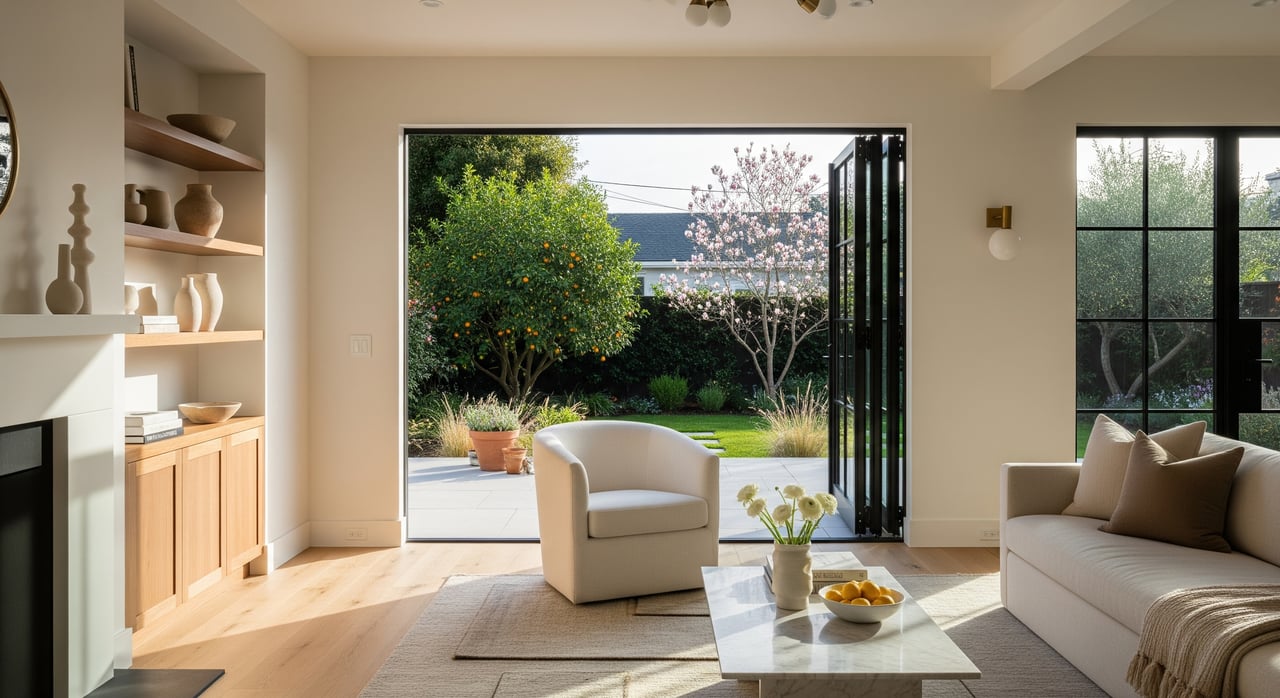
Thinking about selling your San Carlos home this spring? The season can move fast, and a little planning now can mean a smoother sale and stronger results. You want a clear game plan that balances prep work, legal requirements, and smart marketing without wasting time or money. In this guide, you’ll get a practical 12-week timeline tailored to San Carlos and the Peninsula, plus the key disclosures, permits, and steps to hit the market ready. Let’s dive in.
Why spring in San Carlos works
Spring is typically the busiest selling season in San Carlos and San Mateo County. Buyer activity often picks up after winter, and homes show well thanks to our mild climate and greener landscaping. More daylight helps with showings and photography.
Local buyers commonly value commute options, proximity to downtown San Carlos and Caltrain, garage or parking, outdoor space, and flexible areas for offices or ADUs. Interest rates and inventory can shape the best listing window, so stay flexible and watch the weeks leading up to your target date.
Your 12-week prep timeline
Use this as a practical roadmap. Adjust the pace based on your home’s condition, permitting needs, and how quickly the local market is moving.
8–12 weeks before listing
- Interview 2–3 local agents and request a comparative market analysis and spring marketing plan.
- Decide on a target list date and a pricing strategy that can adjust to new comparable sales.
- Order a pre-listing home inspection and a wood-destroying pest inspection to surface major issues early.
- Schedule licensed contractors for any structural, roof, HVAC, plumbing, or electrical work. Start permits with the City of San Carlos if needed.
- Gather financial and title basics: deed copies, recent property tax bills, mortgage payoff info, and homeowners insurance details.
- Plan staging and curb appeal: meet a stager, outline a landscape refresh, touch up exterior paint, and improve the entry approach.
4–8 weeks before listing
- Complete repairs and close out permits. If something will remain unfinished, plan to disclose and consider pricing accordingly.
- Deep clean the home, wash windows, and shampoo carpets. Declutter and store extra furniture to open up spaces.
- Book professional photography, plus a 3D tour and floor plan measurement if appropriate. Schedule drone photos only if allowed for your lot and area.
- Begin disclosure prep: note known defects, collect permits, warranties, and receipts for recent work.
1–3 weeks before listing
- Finish light cosmetics: paint touch-ups, new bulbs, simple hardware updates like cabinet pulls or light fixtures.
- Freshen landscaping. In San Carlos, drought-tolerant plantings look great in spring. Check irrigation and prune before photos.
- Pressure-wash walkways and clean gutters. A crisp exterior boosts first impressions.
- Confirm the photographer’s date and coordinate staging for photo day. Draft an MLS description that highlights location benefits like transit access and downtown amenities.
- Organize homeowner documents: warranties, manuals, past utility bills, property tax info, and HOA documents if applicable.
Listing week and first 1–2 weeks on market
- Ensure staging is complete for photo day. Approve photos, 3D tours, floor plans, and the final listing details.
- Go live on the MLS. Schedule a broker open and public opens for the first two weekends if that fits your plan.
- Set showing rules, decide on lockbox use, and create a showing binder with property highlights and disclosures.
- Remove valuables and secure sensitive items. Monitor feedback and make small adjustments to staging or pricing if needed.
After offers and into escrow
- Review offers beyond price: look at contingencies, financing strength, inspection and appraisal terms, and timing.
- Expect buyer inspections. Keep contractor contacts handy. Decide if you will complete repairs or credit the buyer.
- Work with escrow to supply documents promptly. Plan your move-out timeline and utility transfers to hit your closing date.
Permits, inspections, and disclosures
Getting the paperwork right helps you avoid delays and renegotiations. California has specific requirements sellers should prepare for before launching.
Pre-list inspections
- General home inspection: Helpful for identifying major issues. Address what you can or adjust pricing and disclosures accordingly.
- Wood-destroying pest inspection: Common in the area and important for buyers and lenders. Early treatment can prevent surprises in escrow.
Required disclosures in California
- Transfer Disclosure Statement and related forms. You must disclose known material facts that affect value or desirability.
- Natural Hazard Disclosure report. Buyers typically receive this through escrow, but have prior reports ready if available.
- Lead-based paint disclosure for homes built before 1978.
- Local permit documentation for remodels, additions, or systems work. Keep copies of permits and final inspection sign-offs.
- HOA documents, if applicable. CC&Rs, bylaws, budgets, and rules are typically provided after contract acceptance on a set timeline.
Permits and unpermitted work
- Disclose any unpermitted improvements. If past work lacks permits, discuss options with your agent. Buyers and lenders may request documentation or adjustments.
- Contact the City of San Carlos Building and Planning departments for permit records or guidance if needed. Starting early helps you avoid timeline crunches.
Safety compliance checklist
- Confirm smoke detectors and carbon monoxide alarms are installed and working per California requirements.
- Verify water heater bracing and other local safety items are compliant.
- Keep receipts or proof of recent installation and testing.
Staging, curb appeal, and photography
First impressions matter. Thoughtful staging and strong visuals help your home stand out during the spring rush.
- Focus on light, space, and flow. Remove visual clutter and arrange furniture to showcase room size and function.
- Neutral paint touch-ups and updated lighting can deliver outsized value for a modest cost.
- Exterior refresh: seasonal pruning, drought-friendly plants, fresh mulch, and a tidy entry. San Carlos weather makes spring planting especially impactful.
- Professional media: high-quality photography, twilight images where appropriate, 3D walkthroughs, and clear floor plans help buyers imagine life in the home and streamline decision-making.
Pricing, marketing, and showings
A pricing strategy grounded in local comps and buyer demand can shorten days on market and improve net proceeds.
- Collaborate on a CMA and pricing band. Set a list price informed by condition, location, and nearby sales, while staying flexible for fresh comps.
- Launch plan: coordinate MLS timing, broker open houses, and targeted public opens. Present a detailed property packet to answer common buyer questions.
- Showing logistics: decide on appointment windows and rules. Keep the home show-ready with a simple checklist for lights, blinds, and temperature.
- Early feedback: monitor buyer reactions and adjust quickly on small items. Minor tweaks in staging or positioning can make a difference in the first two weeks.
Logistics and closing prep
Solid organization keeps escrow on track and reduces stress.
- Offer comparisons: weigh contingencies, deposit size, financing strength, and closing timeline.
- Inspection and appraisal: be ready with your pre-list inspections, permits, and contractor contacts.
- HOA coordination: if your home is in an association, request required documents promptly to meet California timelines.
- Move-out planning: schedule movers, cleaning, and utility transfers early so you can hand over the keys smoothly.
Common pitfalls to avoid
- Underestimating permit timelines. City review and inspections can take longer than expected. Start early.
- Incomplete documentation. Missing permits, warranties, and receipts lead to delays and concessions.
- Over-improving. High-end upgrades that exceed neighborhood norms may not pay off.
- Mispricing in a changing market. Even in spring, pricing too high can increase days on market and reduce leverage.
- Skipping pre-inspections on older homes. Surprises in escrow can trigger price reductions or cancellations.
Ready to list this spring?
If you want a calm, well-planned sale, start with a clear timeline and data-informed pricing. From pre-list inspections to professional media and negotiation, you deserve a process that protects your time and your equity. Prefer to talk in Spanish? Hablamos español.
Start with a free, local consultation and valuation. Connect with Daniel Fridman to map your 12-week plan and launch with confidence.
FAQs
When is the best time to list a San Carlos home?
- Spring typically sees more buyer activity, but your exact timing should consider interest rates, neighborhood inventory, and recent comparable sales.
Should I get a pre-listing home inspection in California?
- A pre-list inspection can help you fix or disclose issues upfront, reduce renegotiation risk, and support a smoother escrow, especially for older homes.
Which repairs should I prioritize before listing?
- Focus on safety and major systems first, such as roof leaks, active water intrusion, electrical or seismic hazards, then tackle cost-effective cosmetics like paint and lighting.
How do permits and unpermitted work affect my sale?
- Disclose any unpermitted improvements and gather permit records. Buyers and lenders may request documentation or adjustments during negotiations.
How long does a spring sale usually take in San Carlos?
- Market time varies with condition, pricing strategy, and demand. Spring often runs faster than winter, but ask your agent for current local MLS trends.